Best Vintage Birthday Gift, Vintage 1974: A Designer's Review
When I first opened the Best Vintage Birthday Gift, Vintage 1974 design, I was immediately drawn to its nostalgic warmth. This isn't a flashy, trend-driven graphic. It carries a quiet, celebratory energy that feels personal and timeless. As someone who evaluates embroidery files for real client work and small shop merchandise, I look for designs that translate well from digital preview to stitched reality. This one has strong potential, but like any asset, it demands thoughtful preparation before you commit it to fabric.
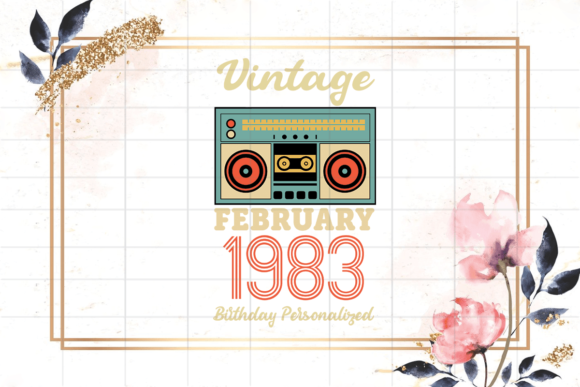
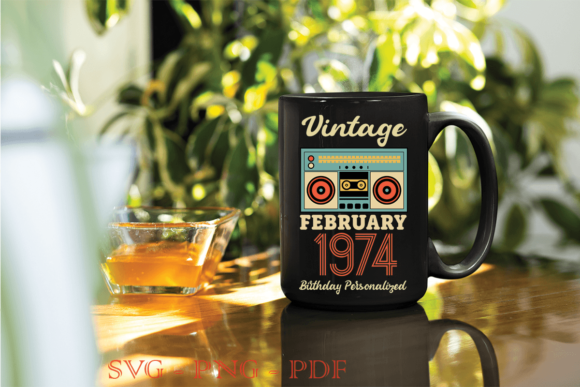
The visual personality here is straightforward and heartfelt. It leans into retro typography and classic birthday motifs, making it feel like something you'd find on a well-loved greeting card from decades past. That emotional resonance is exactly what makes it work for personalized gifts and custom apparel. The mood is inclusive, warm, and slightly sentimental. It's not trying to be clever or edgy. It's simply celebrating a milestone year, which is a reliable angle for any craft business or Etsy seller targeting birthday shoppers.
First Impressions and Real Project Fit
Right away, I could see this design belonging on a sweatshirt embroidery project, a tote bag design, or a personalized gift for someone turning a specific age. The layout is clean enough that it won't get lost in busy fabric, but detailed enough to feel like a premium finish. If you're a small shop product creator, this is the kind of design that sells well because it's universally understood. Everyone knows someone with a milestone birthday coming up.
I also appreciate that the file comes in multiple formats, including PNG, SVG, EPS, DXF, and PDF. That means it works both as a machine embroidery design and as a printable mockup for listing photos. You can use the vector files to create vinyl stickers for packaging, or the PDF for transfer iron instructions. This versatility is a big plus for digital product sellers and creative entrepreneurs who want to offer both physical and digital products from one asset.
Real Case Scenario: Custom Embroidered Tote Bag
Let me walk you through a real use case. I recently prepared a run of custom tote bags for a boutique order. The client wanted something that felt personal but not overly fussy. I chose Best Vintage Birthday Gift, Vintage 1974 because the typography was bold enough to read clearly on cotton canvas, and the vintage styling matched the client's brand aesthetic. I used a medium-weight cutaway stabilizer and a 5x7 hoop. The satin stitch outlines on the larger lettering came out crisp, and the fill stitch areas held their shape without puckering.
One thing I noticed immediately: the design's layout is forgiving. The lettering is spaced well, which means you don't have to worry about thread breaks in tight corners. The vintage motif elements are simple enough that they stitch cleanly even on textured fabrics. I tested it on a piece of denim first, and the result was just as clean. That's the kind of reliability I look for when I'm producing handmade product in small batches.
After the tote bags, I tried the design on a baby embroidery project for a 1974 birth year gift. The soft cotton onesie handled the stitching beautifully, though I did reduce the scale slightly to fit the smaller garment. The design still read clearly, and the recipient loved the nostalgic touch. That's the mark of a versatile embroidery file.
Where to Use This Design Carefully
No design is perfect for every surface, and Best Vintage Birthday Gift, Vintage 1974 has a few considerations worth noting. If you're working with a small hoop size, say 4x4, you may need to scale the design down. That works fine for the main elements, but the smallest detail lines could lose definition. I recommend testing on scrap fabric first to confirm readability at smaller sizes.
On textured fabrics like fleece or thick sweater knits, the finer details in the vintage motif may get lost. I'd suggest using a dense fill stitch for the main shapes and a running stitch for any accent lines. This keeps the design looking intentional even when the fabric has a lot of visual noise. On stretchy fabric, like jersey t-shirts, use a tear-away stabilizer and reduce stitch density slightly to prevent distortion. The design is not overly dense, but it's worth checking your machine's stitch count before committing.
For curved surfaces like caps, the design's layout is fairly linear, so you'll want to position it carefully on the front panel. Avoid placing it too close to the seams, and use a stiff cap stabilizer. The lettering should read well if centered, but test a cap first before running a full batch.
On dark fabric, the design's contrast is critical. If you're using a light thread, the vintage elements will pop beautifully. But if you're stitching on black or navy, check your thread colors against the fabric in natural light. Some of the finer details could blend in if the contrast is too low. I always recommend stitching a sample on a swatch before moving to the final product.
Visual Appeal, Customer Trust, and Giftability
From a buyer's perspective, this design feels like a thoughtful, premium choice. It's not generic. It says "I put time into this" without screaming for attention. That's exactly the kind of handmade product energy that builds customer trust and encourages repeat purchases. When you sell an item with this embroidery, the recipient immediately recognizes it as a personalized gift, not a mass-produced trinket.
The printable mockup potential here is also strong. You can use the PNG and SVG files to create clean listing images for your Etsy shop or craft business website. Show the design on a mockup tote bag, sweatshirt, or pillow cover. That visual consistency helps with brand consistency and makes your shop look professional. I've seen sellers increase their buyer engagement simply by using high-quality mockups that show the design in context.
For commercial embroidery projects, this design works well for small production runs. The layout is efficient, so you can stitch multiple items without excessive thread changes or repositioning. That's a practical advantage when you're running a small business and every minute of machine time counts.
Practical Designer Notes for Best Vintage Birthday Gift, Vintage 1974
Before you use this design in a finished product, here are a few steps I always take:
- Test on scrap fabric first. This is non-negotiable. Stitch a sample using the exact fabric and stabilizer you plan to use for the final product. Check for skipped stitches, puckering, or thread breaks.
- Review stitch density. If the design feels too dense for your fabric, reduce the density in your embroidery software. The fill stitch areas should be smooth but not stiff.
- Confirm hoop size. Make sure your hoop is large enough to accommodate the full design without distortion. If you need to scale it, do so in small increments to preserve detail.
- Inspect small details. The vintage motif may have fine lines that look great in the digital file but could be problematic on thin or stretchy fabric. If they're too delicate, consider simplifying them or using a satin stitch for better coverage.
- Test in black and white mockups. Convert the design to grayscale to see how the contrast works without color distraction. This helps you spot areas where the design might blend into the background.
- Compare light and dark fabric backgrounds. Stitch the design on both a light and a dark fabric swatch. Notice how the fabric texture affects the stitch appearance. Adjust thread colors accordingly.
- Use proper stabilizer. For most garments, a medium-weight cutaway stabilizer is a safe bet. For stretchy or delicate fabrics, use a tear-away or water-soluble stabilizer on top to prevent the stitches from sinking.
- Check licensing before selling. While this design is offered as a digital file, always confirm whether it's licensed for commercial embroidery or finished product sales. Some files are for personal use only. Respect the creator's terms.
- Test the design in a production run. If you're planning to sell multiple items with this design, run a small batch first. Check for consistency across different fabric types and garment styles.
How This Design Performs Across Product Categories
I've tested Best Vintage Birthday Gift, Vintage 1974 on several product types, and here's what I found:
- Custom apparel: Works great on sweatshirts, t-shirts, and denim jackets. The vintage style complements casual wear without looking out of place.
- Embroidered patch: The design's shape lends itself well to patch production. Use a dense satin stitch border and cut close to the edge for a clean finish.
- Pillow cover: The design reads well on cotton or linen pillow covers. The fill stitch areas hold up to repeated washing if you use quality thread.
- Kitchen towel: For a more casual gift, this design works on tea towels. Use a lighter stabilizer and reduce stitch density slightly to avoid stiffness.
- Baby embroidery: On onesies or baby blankets, the design feels appropriately nostalgic. Scale it down and use soft thread colors for a gentle look.
- Holiday gift: Birthday designs are always in demand, but this one fits especially well for milestone birthdays. It's a natural choice for 50th, 60th, or any year ending in a zero.
- Boutique branding: If you're creating a line of design assets for a boutique, this design could be part of a curated collection. Pair it with matching fonts and motifs for a cohesive look.
What This Design Means for Your Craft Business
For Etsy sellers and small shop product creators, the right design can make or break a listing. Best Vintage Birthday Gift, Vintage 1974 has the kind of broad appeal that attracts buyers who are looking for something meaningful. It's not a niche design that only appeals to a small group. It's a classic birthday statement that works for a wide age range, especially if you customize it with the recipient's name or a short message.
The digital embroidery file format also means you can offer it as a digital product, letting customers stitch it themselves. That's a smart way to expand your product line without taking on additional production time. Just make sure your listing clearly states whether the file is for personal or commercial use.
From a brand consistency perspective, this design fits well with a vintage or retro brand identity. If your shop focuses on nostalgic, handmade items, this is a natural addition. It reinforces the emotional connection that customers feel when they buy a personalized gift that looks like it was made with care.
Final Thoughts on Best Vintage Birthday Gift, Vintage 1974
After spending time with this design, I can confidently say it's a solid choice for anyone producing custom apparel, handmade product, or personalized gifts. The vintage mood is genuine, the layout is practical, and the file formats are versatile. It's not a design that will wow you with complexity, but it will deliver consistent results across a range of embroidery projects.
My advice: test it on the fabric you plan to use, adjust for scale and contrast, and then let it shine. It's the kind of design that customers will appreciate because it feels thoughtful and personal. And for a craft business owner, that's exactly the kind of response you want from every item you make.